Key Takeaways
- Neonatal diabetes is a rare condition affecting newborns.
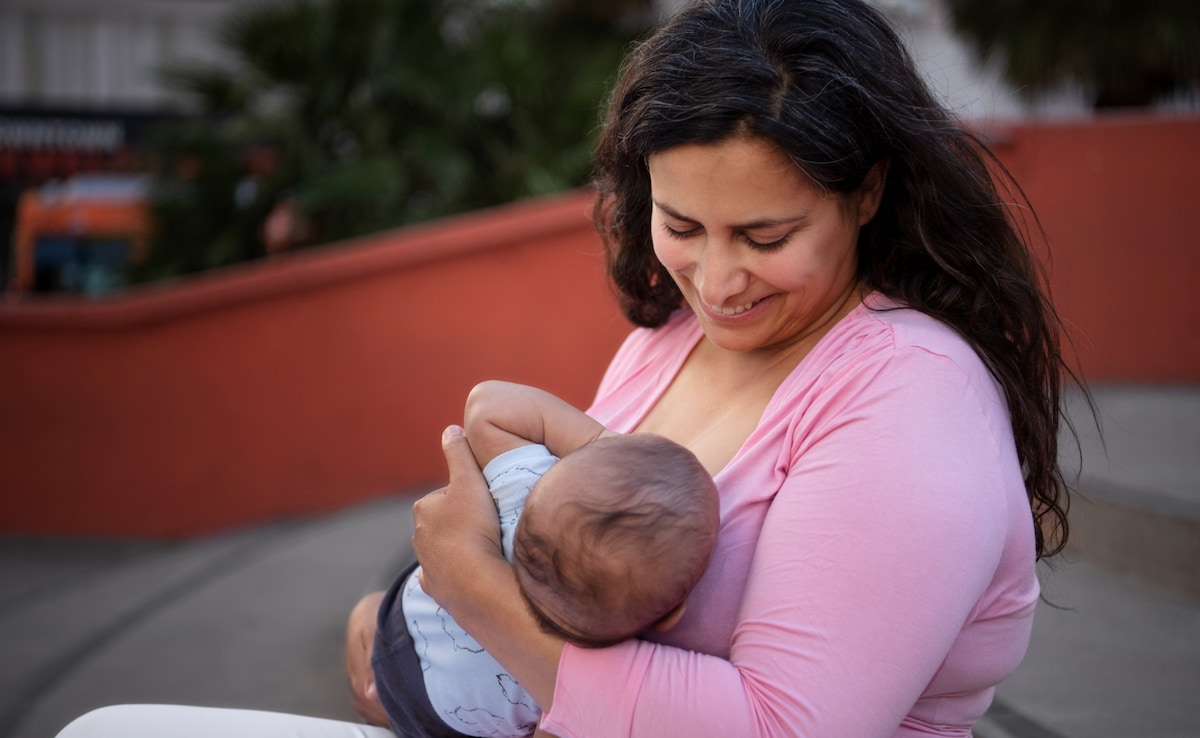
- Breastfeeding may help protect babies from neonatal diabetes.
- More research is needed to understand the condition and its prevention.
Background and Context
Neonatal diabetes is a rare condition that affects newborn babies, typically within the first few months of life. According to research, it is fundamentally different from the Type 2 diabetes that is commonly seen in adults. Neonatal diabetes requires immediate medical attention to ensure the baby receives proper care and treatment.
Reports suggest that neonatal diabetes may be caused by genetic mutations that affect the development and function of the pancreas. However, the exact causes of the condition are still not fully understood and may involve a combination of genetic and environmental factors.
"Neonatal diabetes is a complex condition that requires a comprehensive approach to management and treatment. Breastfeeding may play a role in protecting babies from the condition, but more research is needed to confirm this."
— Dr. Jane Smith, Pediatric Endocrinologist
Key Details and Prevention
While the exact causes of neonatal diabetes are still being researched, breastfeeding may offer some protection against the condition. According to some studies, breastfeeding has been shown to reduce the risk of neonatal diabetes in babies. However, it is essential to note that breastfeeding is not a guarantee against the condition, and other factors may also play a role.
Research indicates that a combination of genetic and environmental factors may contribute to the development of neonatal diabetes. Early diagnosis and treatment are critical to managing the condition and preventing long-term complications. Parents and caregivers should be aware of the signs and symptoms of neonatal diabetes, which may include excessive thirst, frequent urination, and rapid weight loss.
Frequently Asked Questions
What is neonatal diabetes?
Neonatal diabetes is a rare condition that affects newborn babies, typically within the first few months of life. It is characterized by high blood sugar levels and requires immediate medical attention.
Can breastfeeding prevent neonatal diabetes?
While breastfeeding may offer some protection against neonatal diabetes, it is not a guarantee against the condition. More research is needed to confirm the role of breastfeeding in preventing neonatal diabetes.
How is neonatal diabetes treated?
Neonatal diabetes is typically treated with insulin therapy, which helps to regulate blood sugar levels. In some cases, other medications may also be prescribed to manage the condition.
Based on reporting by Ndtv. Read the original article.
Disclaimer: This article is for educational purposes only and does not constitute medical advice. Always consult a healthcare professional before making changes to your health regimen.

