Key Takeaways
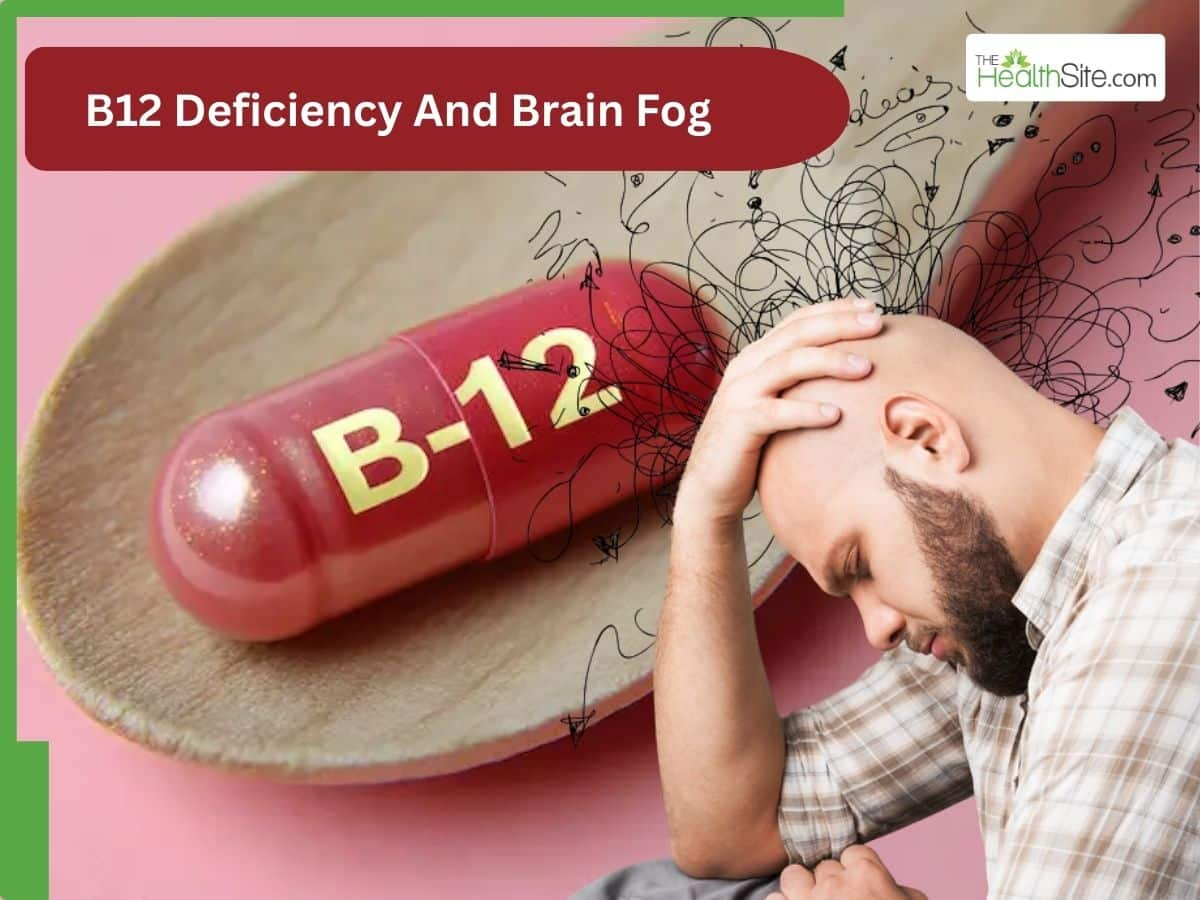
- Vitamin B12 deficiency can cause brain fog, anxiety, and memory loss.
- Symptoms may be subtle and develop gradually.
- Diagnosis and treatment are available to protect cognitive and mental health.
Background and Context
Vitamin B12 is an essential nutrient that plays a critical role in the production of red blood cells, nerve function, and DNA synthesis. According to research, a deficiency in vitamin B12 can have significant effects on cognitive and mental health, including brain fog, anxiety, and memory loss. Reports suggest that vitamin B12 deficiency is often overlooked as a potential cause of these symptoms, which can lead to delayed diagnosis and treatment.
Research indicates that vitamin B12 deficiency is more common than previously thought, affecting up to 15% of the general population. Certain groups, such as vegetarians, vegans, and older adults, are at a higher risk of developing a deficiency due to dietary restrictions or age-related declines in absorption.
"Vitamin B12 deficiency is a significant public health concern, particularly among vulnerable populations. It is essential to raise awareness about the importance of vitamin B12 and the potential consequences of deficiency."
— Dr. Emily Chen, Neurologist
Key Details
The symptoms of vitamin B12 deficiency can be subtle and develop gradually, making it challenging to diagnose. Common symptoms include fatigue, weakness, and shortness of breath, as well as neurological symptoms such as numbness, tingling, and cognitive impairment. In some cases, vitamin B12 deficiency can also cause psychiatric symptoms, including depression and anxiety.
Diagnosis of vitamin B12 deficiency typically involves a blood test to measure vitamin B12 levels. According to reports, treatment options are available, including oral supplements, injections, and dietary changes. Research suggests that early diagnosis and treatment can help alleviate symptoms and prevent long-term complications.
Frequently Asked Questions
What are the common causes of vitamin B12 deficiency?
Vitamin B12 deficiency can be caused by a variety of factors, including poor diet, malabsorption, and certain medical conditions. Vegetarians and vegans are at a higher risk due to the limited availability of vitamin B12 in plant-based foods.
How is vitamin B12 deficiency diagnosed?
Diagnosis of vitamin B12 deficiency typically involves a blood test to measure vitamin B12 levels. In some cases, additional tests may be necessary to rule out other conditions or to assess the severity of the deficiency.
Based on reporting by Thehealthsite. Read the original article.
Disclaimer: This article is for educational purposes only and does not constitute medical advice. Always consult a healthcare professional before making changes to your health regimen.