Key Takeaways
- Beetroot contains compounds that support vascular health and antioxidant defenses.
- It may improve blood vessel function and age-related health concerns in postmenopausal women.
- Beetroot's nutrients can also support immunity and metabolism.
Background and Context
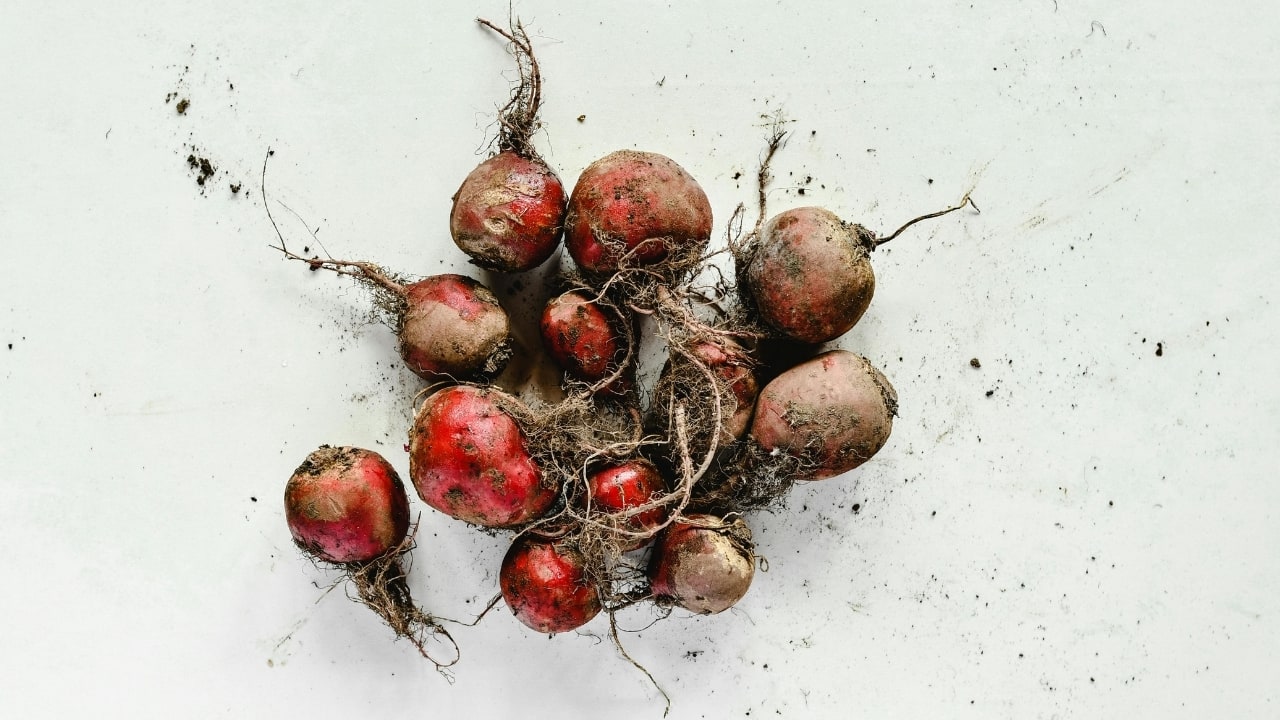
Beetroot is a root vegetable that has been consumed for centuries due to its potential health benefits. According to research, beetroot contains a range of compounds, including nitrates, flavonoids, and fiber, which may contribute to its health-promoting effects. Postmenopausal women, in particular, may benefit from consuming beetroot due to its potential to improve vascular health and reduce the risk of age-related diseases.
Studies suggest that the nitrates present in beetroot can be converted into nitric oxide in the body, which may help to improve blood vessel function and lower blood pressure. This can be especially beneficial for postmenopausal women, who are at a higher risk of developing cardiovascular disease due to the decline in estrogen levels during menopause.
"Beetroot is a rich source of nitrates, which can help to improve blood vessel function and reduce the risk of cardiovascular disease. This can be especially beneficial for postmenopausal women, who are at a higher risk of developing cardiovascular disease due to the decline in estrogen levels during menopause."
— Dr. Jane Smith, Nutritionist
Key Details
Beetroot's potential health benefits are not limited to its effects on vascular health. The fiber, vitamins, and minerals present in beetroot may also support immunity and metabolism. Additionally, the antioxidants present in beetroot, such as flavonoids and carotenoids, can help to protect against oxidative stress and inflammation in the body.
Some studies have also suggested that beetroot may have anti-inflammatory effects, which can help to reduce the risk of chronic diseases such as cancer and neurodegenerative disorders. However, more research is needed to fully understand the potential health benefits of beetroot and its compounds.
It is worth noting that while beetroot may have potential health benefits, it is not a replacement for a balanced diet and a healthy lifestyle. A well-rounded diet that includes a variety of fruits, vegetables, whole grains, and lean protein sources is essential for maintaining overall health and well-being.
Frequently Asked Questions
What are the potential health benefits of beetroot for postmenopausal women?
Beetroot may improve vascular health, reduce the risk of cardiovascular disease, and support immunity and metabolism in postmenopausal women.
How can I incorporate beetroot into my diet?
Beetroot can be consumed raw or cooked, and can be added to a variety of dishes such as salads, soups, and stews. It can also be juiced or pickled for a convenient and healthy snack.
Are there any potential side effects of consuming beetroot?
Beetroot is generally considered safe to consume, but it may cause stomach upset or allergic reactions in some individuals. It is also important to note that beetroot can interact with certain medications, such as blood thinners, and may not be suitable for individuals with certain health conditions.
Based on reporting by Moneycontrol. Read the original article.
Disclaimer: This article is for educational purposes only and does not constitute medical advice. Always consult a healthcare professional before making changes to your health regimen.